Table of Contents
Responsibly run tourism can fund conservation, create local jobs and keep the forest standing.
The Bornean orangutan is listed as Critically Endangered by the IUCN. Its biggest threat is forest loss from fires, land clearing and hunting. So what does that have to do with your holiday? Quite a lot, it turns out.
A standing forest is worth more
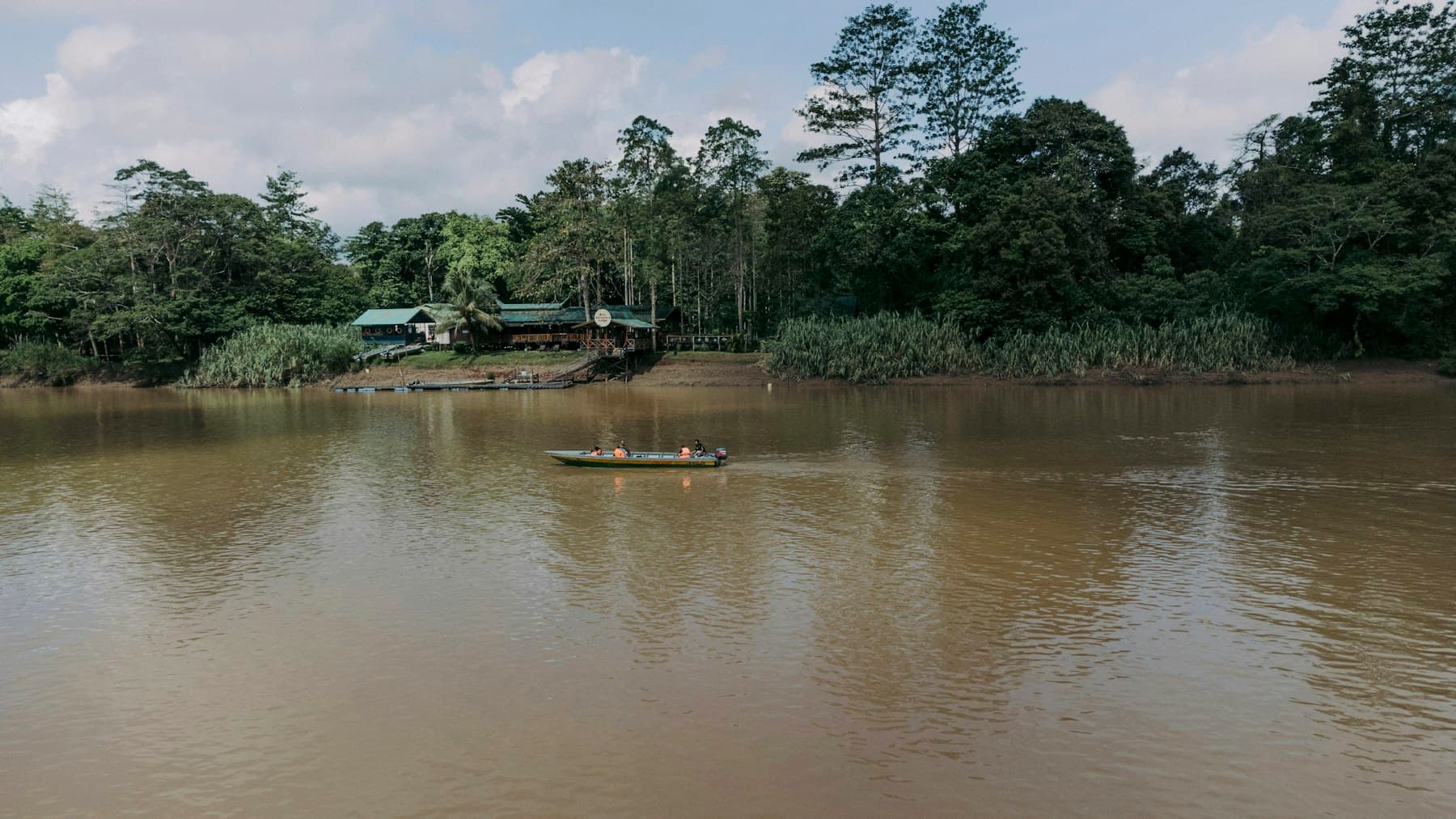
When travellers come to see orangutans, an intact forest generates income for local communities. Klotok captains, cooks, guides and even the food stalls in Kumai earn a living from a healthy forest. The bigger the economic benefit, the stronger the case for protecting it.
Direct funding for restoration
Some of the land around the national park has burned in the past and is now covered in alang-alang grass. Restoring it takes nurseries, planting and years of sapling care. At Baliboo, all tour profits are allocated to conservation work such as tree planting, wildlife care, fire patrols and community education. You can see the breakdown on our conservation page.
Visitors as watchful eyes
Regular klotok traffic on the river makes illegal activity easier to spot. Travellers and guides are often the first to notice smoke or suspicious activity and report it to park rangers.
How to choose a responsible operator
- Make sure the operator holds a business licence and employs licensed guides.
- Ask how profits or conservation contributions are used, and request their transparency report.
- Choose operators that respect safe-distance rules and forbid feeding wildlife.
- Favour operators who employ local people and minimise plastic waste.
One trip, one tree
Every Baliboo guest plants at least one seedling at the restoration site. It may seem small, but thousands of seedlings from thousands of guests slowly turn grassland back into forest. Choose your trip and become part of that story.
By
Sari Wulandari
Guide & Conservation Educator
Ready to see it for yourself?
Plan your trip to Tanjung Puting with Baliboo's local guides.
View Tour Packages